13 Mar 2026
Updated: 3 Mar 2026
Effective Studying for the PTCE Exam: A Practical Guide That Actually Works
If you are preparing for the PTCE, you already know one thing: “I’ll just wing it” is not a strategy.
The Pharmacy Technician Certification Exam rewards consistent, structured preparation. It does not reward cramming, panic, or highlighting your entire textbook in neon.
This guide walks through how to study effectively for the PTCE, from where you study to how you plan your time, take notes, and handle test day. We will also link to official resources and research so you are not relying on random internet advice.
If you want structured daily practice, a focused study app like EZ Prep can help. But even the best app will not save you from bad study habits. Let’s fix those first.
Why Study Habits Matter More Than “Study Hours”
Most people measure effort in hours. The PTCE measures outcomes.
You can sit at a desk for four hours and learn very little. Or you can study for 90 focused minutes and make measurable progress.
Effective studying matters because:
- The PTCE covers multiple domains, including medications, federal requirements, patient safety, and order entry.
- Recall speed matters.
- Application matters more than memorization.
Start with official information so you know what you are preparing for:
- PTCB official website: https://www.ptcb.org
- PTCE exam overview: https://www.ptcb.org/credentials/certified-pharmacy-technician
- Pearson VUE test day policies: https://home.pearsonvue.com/ptcb
If you do not understand the structure of the exam, you are studying blind. Not recommended.
Where to Study: Your Environment Is a Performance Tool


4
Your study space should reduce friction, not create it.
1. Location
Pick one primary study location. Ideally:
- Quiet
- Predictable
- Used mostly for focused work
Your brain associates environments with behaviors. If you study in the same spot regularly, focus becomes easier.
2. Comfort, Not Luxury
You need:
- A supportive chair
- A desk at proper height
- Neutral temperature
- Good lighting, preferably natural
You do not need mood lighting, scented candles, and an inspirational wall quote. Keep it simple.
3. Limit Distractions
- Phone on airplane mode or in another room
- Browser tabs closed
- Notifications off
If you cannot resist checking your phone, the problem is not discipline. It is proximity.
4. Access to Resources
Have everything ready:
- Study guide or app
- Notebook
- Water
- Timer
Every time you get up to “grab something,” you lose momentum.
How to Study for the PTCE: Techniques That Actually Work


4
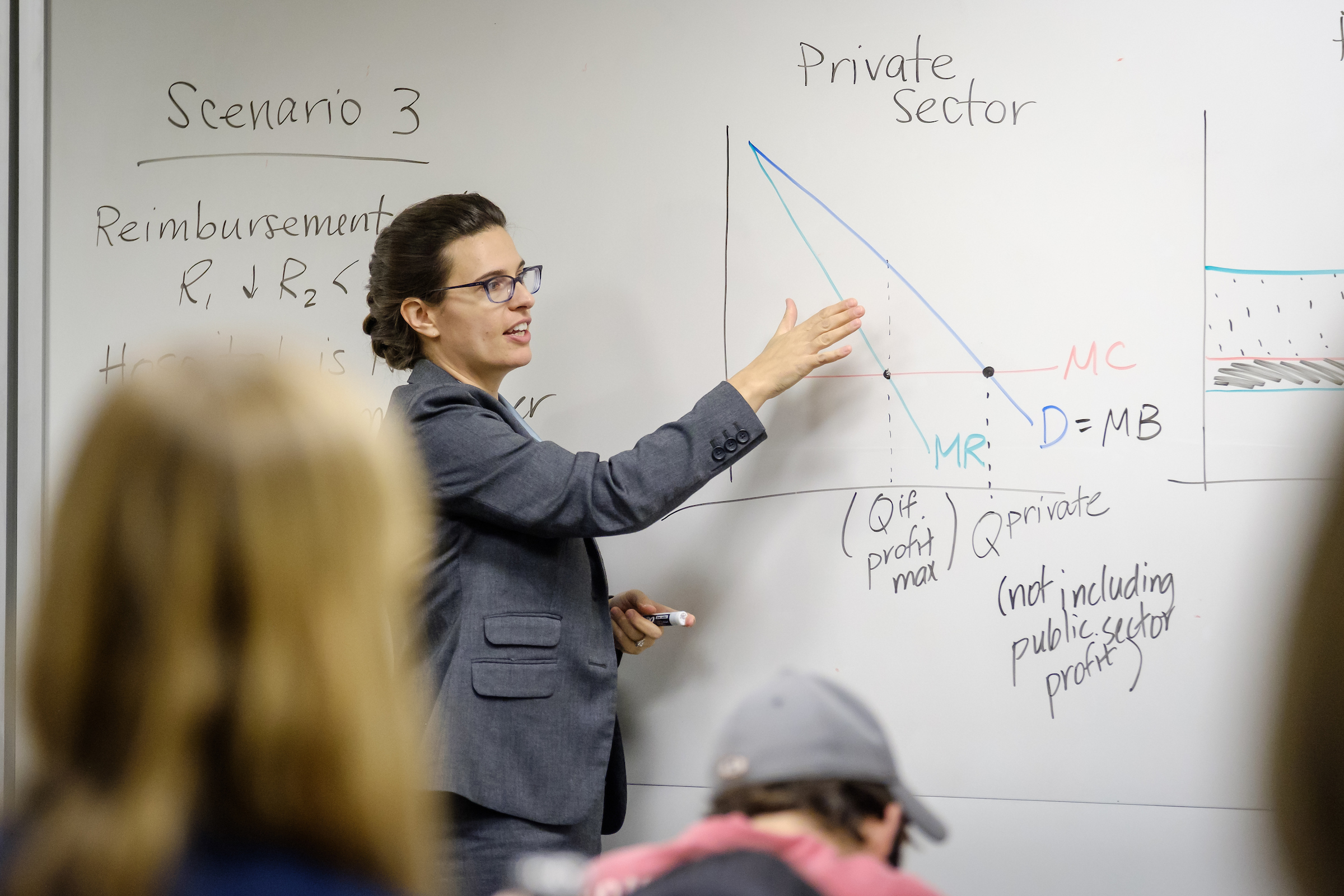
Spaced Repetition and the Leitner System
Spaced repetition is one of the most researched learning techniques. Instead of rereading material, you test yourself at increasing intervals.
The Leitner System uses flashcards in boxes:
- Box 1: Reviewed daily
- Box 2: Reviewed every few days
- Box 3+: Reviewed weekly
Correct answers move forward. Incorrect answers go back.
For PTCE topics like drug classifications, brand and generic names, and high-alert medications, this method is gold.
If you prefer digital tracking, many study apps, including EZ Prep, build spaced repetition into question review.
For research on why this works, see general summaries from learning science sources such as:
- Harvard’s study tips overview: https://summer.harvard.edu/blog/top-10-study-tips/
The Pomodoro Technique
Study in focused intervals:
- 25 minutes work
- 5 minutes break
- After four rounds, take a longer break
This prevents burnout and improves attention.
It also forces you to define what you are working on before the timer starts. “Study pharmacy law” is vague. “Review DEA schedules and federal labeling requirements” is actionable.
The Feynman Technique
If you cannot explain a concept simply, you do not understand it.
Steps:
- Pick a topic, for example, therapeutic equivalence.
- Explain it out loud as if teaching a new technician.
- Identify gaps.
- Review.
- Simplify again.
This works especially well for:
- Pharmacology principles
- Medication safety protocols
- Insurance and billing processes
Talking to your wall may feel odd. Failing the PTCE feels worse.
Planning Your Study Schedule: Stop Guessing
Yearly or Long-Range Planning
If your exam is months away:
- Map backward from your test date.
- Divide content into manageable blocks.
- Schedule full practice exams 4 to 6 weeks before test day.
Do not save full-length practice tests for the last week.
Weekly Planning
At the start of each week:
- Identify 2 to 4 priority topics.
- Assign specific days to each.
- Schedule at least one cumulative review session.
Example:
- Monday: Medication safety and error prevention
- Wednesday: Federal pharmacy law
- Friday: Top 200 drugs review
- Sunday: Mixed practice exam
Daily Planning
Each day:
- Define 1 to 3 specific goals.
- Use time blocks, not vague intentions.
- End with a short review session.
Prioritize weak areas first. It is more satisfying to review what you already know. It is also less effective.
Reading Strategies for Dense Material
Pharmacy content can be heavy. Here is how to handle it.
Estimate Reading Speed
Most adults read 200 to 300 words per minute for comprehension. Technical material is slower.
Plan accordingly. If a chapter is 6,000 words, you are not finishing it in 20 minutes.
Skimming Types
Use skimming strategically:
- Preview skimming: Headings, bold terms, summaries.
- Structural skimming: Identify lists, tables, key terms.
Then read deeply where needed.
Highlighting: Use It Sparingly
Do:
- Highlight definitions.
- Highlight key mechanisms.
- Highlight regulatory rules.
Do not:
- Highlight entire paragraphs.
- Use five colors for no reason.
If everything is highlighted, nothing stands out.
Note-Taking Methods That Actually Help
4
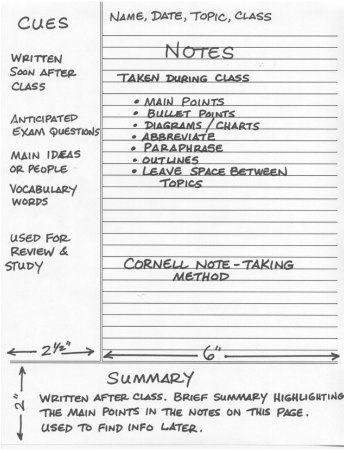
Cornell Method
Divide the page:
- Main notes
- Cue column
- Summary section
Great for structured topics like federal law.
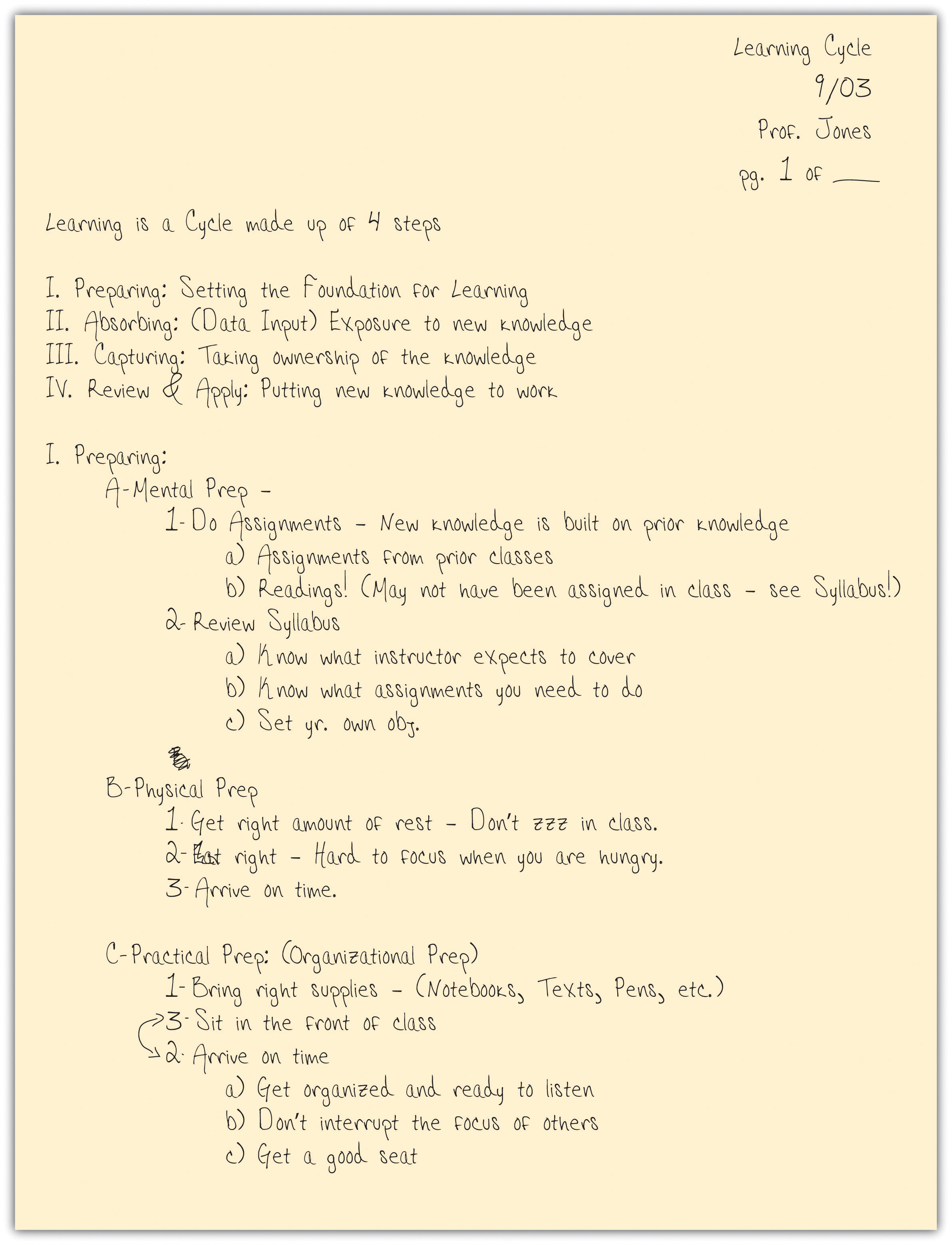
Outline Method
Use bullet hierarchies. Ideal for drug classes and subcategories.
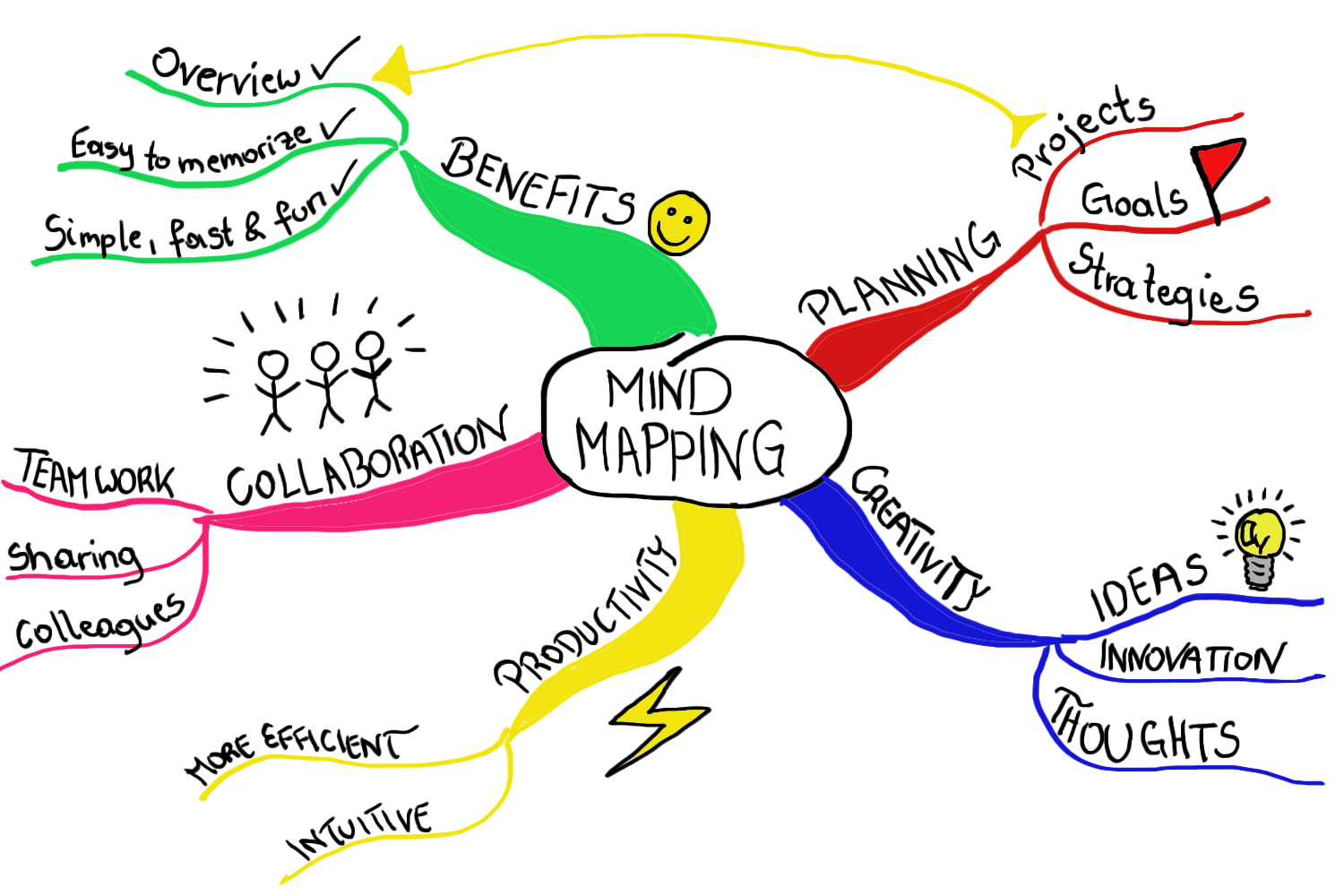
Mind Mapping
Visual and associative. Useful for:
- Connecting drug classes
- Linking side effects to mechanisms
Sentence Method
Write ideas as they come. Fast but less organized. Best for lecture-style review.
Boxing Method
Divide your page into topic boxes. Good for compact fact sets like DEA schedules.
Charting Method
Tables work extremely well for:
- Brand vs generic
- Indication vs contraindication
- Drug class vs side effects
Pick one or two methods. Consistency beats novelty.
Wellness Habits That Support Studying



4
You cannot out-study poor sleep.
Sleep
7 to 9 hours. Memory consolidation happens during sleep. Skipping it reduces retention.
Nutrition
Focus on:
- Protein
- Complex carbohydrates
- Hydration
Energy drinks are not a long-term strategy.
Exercise
Even 20 minutes of light exercise improves focus and mood.
Breaks
Short breaks prevent cognitive fatigue. Walk. Stretch. Breathe. Avoid doom scrolling.
Test Readiness: Before, During, and After
The Day Before
- Light review only.
- No new topics.
- Prepare required ID.
- Confirm testing location and time via Pearson VUE: https://home.pearsonvue.com/ptcb
Go to bed at a reasonable hour.
The Day Of
- Eat a balanced meal.
- Arrive early.
- Expect nerves. That is normal.
During the exam:
- Read every question carefully.
- Eliminate clearly wrong answers.
- Watch your time but do not rush.
If you hit a tough question, flag it and move on.
Managing Test Anxiety
Use:
- Controlled breathing
- Positive but realistic self-talk
- Mental rehearsal
You prepared. Now execute.
For official policies and identification requirements, always check:
- PTCB policies: https://www.ptcb.org/guidebook
- Pearson VUE test center rules: https://home.pearsonvue.com/ptcb
Do not rely on a forum post from 2018.
After the Exam
- Do not autopsy every question.
- Celebrate finishing.
- If needed, review performance data objectively and adjust.


Final Thoughts
Effective studying for the PTCE is not about heroic cramming. It is about:
- Structured planning
- Evidence-based techniques
- Consistent practice
- Taking care of your brain
If you want structured question banks, timed exams, and progress tracking, a focused PTCE study app like EZ Prep can help streamline the process. But tools work best when paired with smart habits.
Future you, the certified pharmacy technician, will be very glad you did this properly.