

27 Mar 2026
Updated: 9 Mar 2026
Effective Studying for the NPTE Exam: A Practical Guide for Future Physical Therapists
Preparing for the NPTE is not just about how many hours you study. It is about how you study.
You can spend six months “reviewing” and still feel unprepared. Or you can build a structured, focused plan that actually moves the needle. This guide walks through exactly how to study effectively for the NPTE, from where you sit down to how you handle test day.
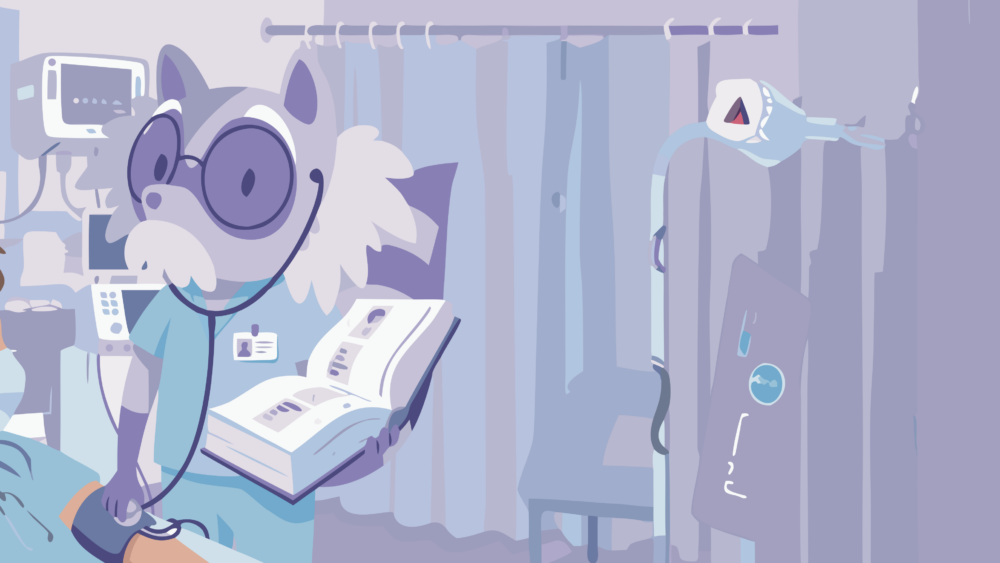
If you want structure, systems, and accountability, a dedicated NPTE study app like EZ Prep can help. But the real engine is your habits. Let’s build those first.
Why Study Habits Matter for the NPTE
The NPTE is a long, demanding exam. It tests clinical reasoning, not just recall. That means passive studying will not cut it.
Good study habits:
- Improve long-term retention
- Reduce anxiety
- Increase efficiency
- Prevent burnout
- Turn “I think I know this” into “I can answer this under pressure”
The NPTE is administered by the Federation of State Boards of Physical Therapy. Before you even begin studying, review the official exam content outline and candidate handbook on the FSBPT website so your plan matches what is actually tested.
Official resources:
- FSBPT NPTE Overview: https://www.fsbpt.org/Free-Resources/NPTE-Candidate-Handbook
- NPTE Test Day Policies: https://www.fsbpt.org/Free-Resources/Exam-Day-Information
Study strategy should align with the exam blueprint. Not with whatever topic you “feel” like reviewing.


Where to Study: Environment Shapes Performance
Your brain is annoyingly sensitive to context. A chaotic environment equals chaotic focus.
1. Choose the Right Location
Options that tend to work well:
- A quiet desk at home
- A library study room
- A café with low distraction
Pick a place you can return to regularly. Consistency improves mental conditioning.
2. Prioritize Comfort, But Not Too Much
You want:
- A supportive chair
- A clean desk
- Neutral temperature
You do not want:
- Studying in bed
- Slouching on a couch
- Background TV “for company”
Comfort supports focus. Too much comfort supports naps.
3. Optimize Lighting
Natural light is ideal. If not available:
- Use bright, even lighting
- Avoid harsh glare on screens
- Avoid dim, sleepy lighting
Good lighting reduces eye strain and mental fatigue.
4. Limit Distractions
- Silence notifications
- Use website blockers if needed
- Put your phone out of reach
If you need your phone for a study app, keep it in airplane mode.
How to Study: Evidence-Based Techniques That Work
Not all study techniques are equal. Highlighting everything is not studying. It is decorating.
Here are techniques backed by research.
Spaced Repetition and the Leitner System
Spaced repetition is one of the most effective learning strategies. Instead of cramming, you review material at increasing intervals.
The Leitner System works like this:
- Flashcards start in Box 1
- If you answer correctly, they move to Box 2
- If you miss them, they go back to Box 1
- Higher boxes are reviewed less frequently
This prioritizes weak areas automatically.
Apps can automate this process, including NPTE-focused tools. Or you can use physical index cards if you enjoy analog suffering.
For research on spaced repetition and learning science, see resources like:
- Make It Stick (summary of cognitive science research): https://www.retrievalpractice.org/make-it-stick
The Pomodoro Technique
Study in focused intervals:
- 25 minutes of work
- 5-minute break
- After four rounds, take a longer break
This prevents cognitive fatigue and keeps your brain engaged.
Use Pomodoro for:
- Question blocks
- Content review
- Flashcard sessions
Not for scrolling.
The Feynman Technique
If you cannot explain a topic simply, you do not understand it well enough.
Steps:
- Choose a concept
- Explain it in plain language
- Identify gaps
- Review and refine
For example, explain “upper motor neuron lesion signs” as if teaching a patient or a first-year student.
Trying to explain something clearly is one of the fastest ways to spot gaps in your understanding.
Planning Your Study Schedule
Winging it is not a strategy.
Yearly or Long-Term Planning
If you have several months:
- Start with a full-length diagnostic exam
- Break down the exam blueprint into major domains
- Assign time proportionally based on weight and weakness
Front-load heavy review. Back-load full-length practice exams.
Weekly Planning
Each week should include:
- Targeted content review
- Spaced repetition sessions
- 1 to 2 timed question blocks
- Review of incorrect answers
Your week should not be all reading. If it is, you are avoiding discomfort.
Daily Planning
Each study day:
- Set 2 to 4 specific objectives
- Use timed blocks
- End with a quick recap of weak points
Prioritize high-yield systems and consistently missed topics.
Reading Strategies That Actually Help
Know Your Reading Speed
Average reading speed is about 200 to 300 words per minute. Dense clinical material may be slower.
If a chapter is 20,000 words, that is over an hour of focused reading. Plan accordingly.
Types of Skimming
- Preview skimming: headings, bold terms, summaries
- Question-driven skimming: read with specific questions in mind
- Post-review scanning: search for weak areas
Skimming is strategic, not laziness.
Highlighting: Use Sparingly
Do:
- Highlight definitions
- Highlight mechanisms
- Highlight decision rules
Don’t:
- Highlight entire paragraphs
- Highlight everything in neon
If everything is important, nothing is.
Note-Taking Methods for NPTE Review
Different brains prefer different systems. Here are structured options.
Cornell Method
Divide the page into:
- Notes
- Cue column
- Summary
Encourages review and self-testing.
Outline Method
Best for hierarchical content:
- Major topic
- Subtopic
- Key detail
- Subtopic
Clean and structured.
Mind Mapping
Visual learners may prefer:
- Central topic
- Branching concepts
- Linked relationships
Great for neuro or cardiopulmonary connections.
Sentence Method
Write information line by line as presented. Simple, but can become messy.
Boxing Method
Group related concepts into visual boxes. Helpful for differential diagnosis comparisons.
Charting Method
Create comparison tables. Ideal for:
- Red flags
- Special tests
- Pathology comparisons
Whatever method you choose, the goal is active processing, not transcription.
Wellness Habits That Support Studying
You are not a machine. Act accordingly.
Nutrition
- Eat balanced meals.
- Focus on protein and complex carbohydrates.
- Stay well hydrated.
Energy crashes can make it harder to focus and retain information.
Exercise
Even 20 to 30 minutes improves mood and cognitive performance.
You are training to be a physical therapist. Practice what you preach.
Sleep
7 to 9 hours per night. No negotiation.
Sleep consolidates memory. Skipping sleep to “study more” is counterproductive.
Breaks
Schedule real breaks:
- Take a short walk outside
- Stretch
- Have a brief social interaction
Avoid spending your breaks endlessly scrolling.
For more research on sleep and learning, see summaries from the National Sleep Foundation:
https://www.sleepfoundation.org/how-sleep-works/how-sleep-affects-learning
Test Readiness: Before, During, and After
The Day Before the NPTE
- Light review only
- No cramming
- Confirm testing center logistics
- Pack required identification
Follow the official FSBPT test-day instructions carefully. Policies are strict.
The Morning of the Exam
- Eat a balanced meal
- Arrive early
- Use breathing techniques: slow inhale, slow exhale, repeat.
During the Exam
- Pace yourself
- Flag and move on if stuck
- Use elimination strategy
Do not change answers unless you have a clear reason. Your first instinct is often correct when you are well prepared.
Managing Test Anxiety
Techniques:
- Controlled breathing
- Positive self-talk
- Mental rehearsal
Anxiety is normal. Catastrophizing is optional.
After the Exam
Once it is done, it is done.
Avoid obsessive post-exam autopsy sessions. Wait for official results from FSBPT.
Bringing It All Together
Effective NPTE studying is not about grinding yourself into dust.
It is about:
- Structured planning
- Evidence-based techniques
- Honest self-assessment
- Consistent review
- Protecting your physical and mental health
If you want a structured question bank, progress tracking, and spaced repetition built in, an NPTE study app like EZ Prep can streamline the process. But no app replaces discipline.
Future you will be very grateful that present you chose structure over panic.
Study smart. Study consistently. Then walk into that exam knowing you earned it.


